Himalayan Ibex · Gulmarg
Skiing in Gulmarg
From first snowplough turns on the nursery slopes to alpine powder on Mt. Apharwat — ski the Western Himalayas with local guides who grew up on these ridges.
Enquire / BookPir Panjal · Kashmir
Overview
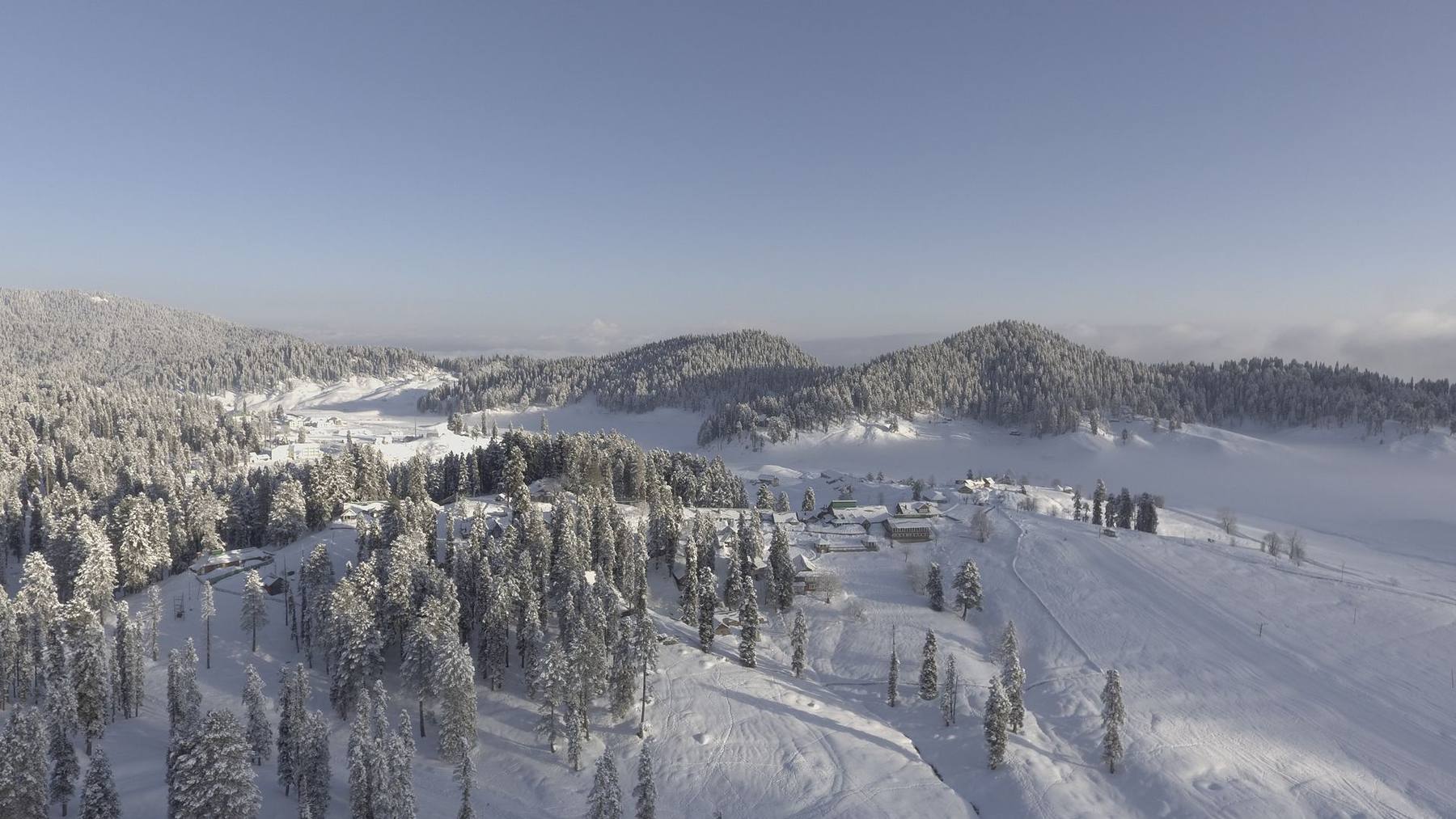
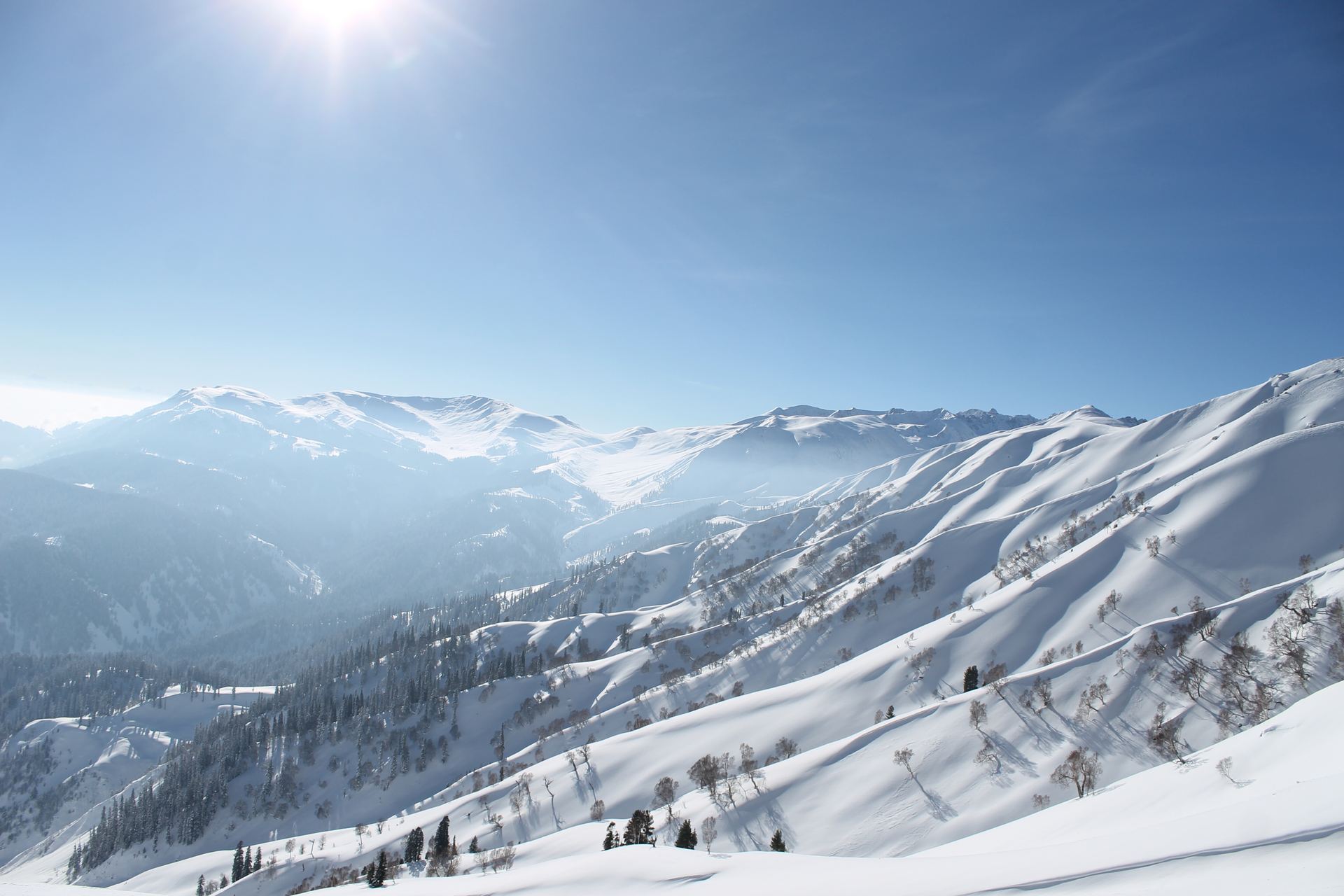
Gulmarg sits on the northern flanks of the Pir Panjal, about two hours from Srinagar, and for good reason it is India’s most celebrated ski destination. At 2,600 metres the village opens onto nursery slopes that are genuinely gentle for beginners, while Gondola Phase 1 and Phase 2 climb into open alpine bowls and pine forests that hold deep winter snow well into spring.
We teach and guide here because this is home. Our instructors and mountain leaders know how Gulmarg’s weather shifts through the day, which faces hold soft powder after a storm, and how to pace a first-timer so that confidence builds rather than fear. Whether you arrive never having clicked into ski boots or you already ski blues and want Himalayan backcountry, the terrain is here — and so are we.
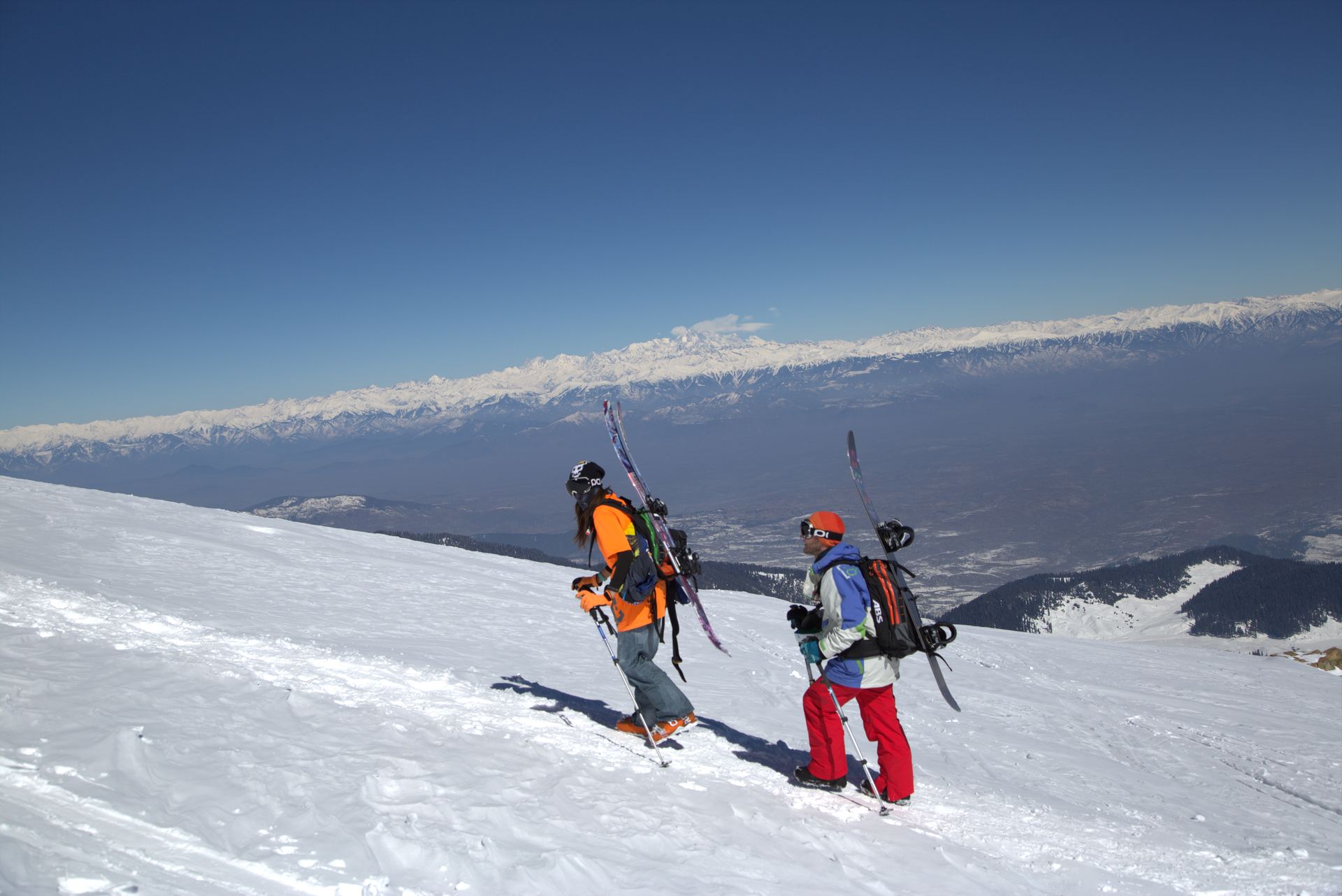
Winter in Kashmir rewards patience and good company. Mornings can be crystal clear over Nanga Parbat’s distant silhouette; afternoons may bring soft snowfall that resets the slopes overnight. We plan each day around snowpack, visibility, and how your body is feeling — not a rigid script that ignores the mountain.
From a short 4-day taste test to a full beginner academy or a week of intermediate–advanced backcountry on Mt. Apharwat (up to 4,300 m), every skiing package below is run by Himalayan Ibex with small groups, private 4×4 transfers from Srinagar, and lodging that keeps you warm and well fed after long days outside.
The mountain
Gulmarg at a glance
2,650 m
Gulmarg village — India’s premier ski base
4,200 m
Apharwat Peak — high-alpine and off-piste
Dec–Mar
Longest ski season in India
All levels
Nursery slopes through unmanaged wilderness lines
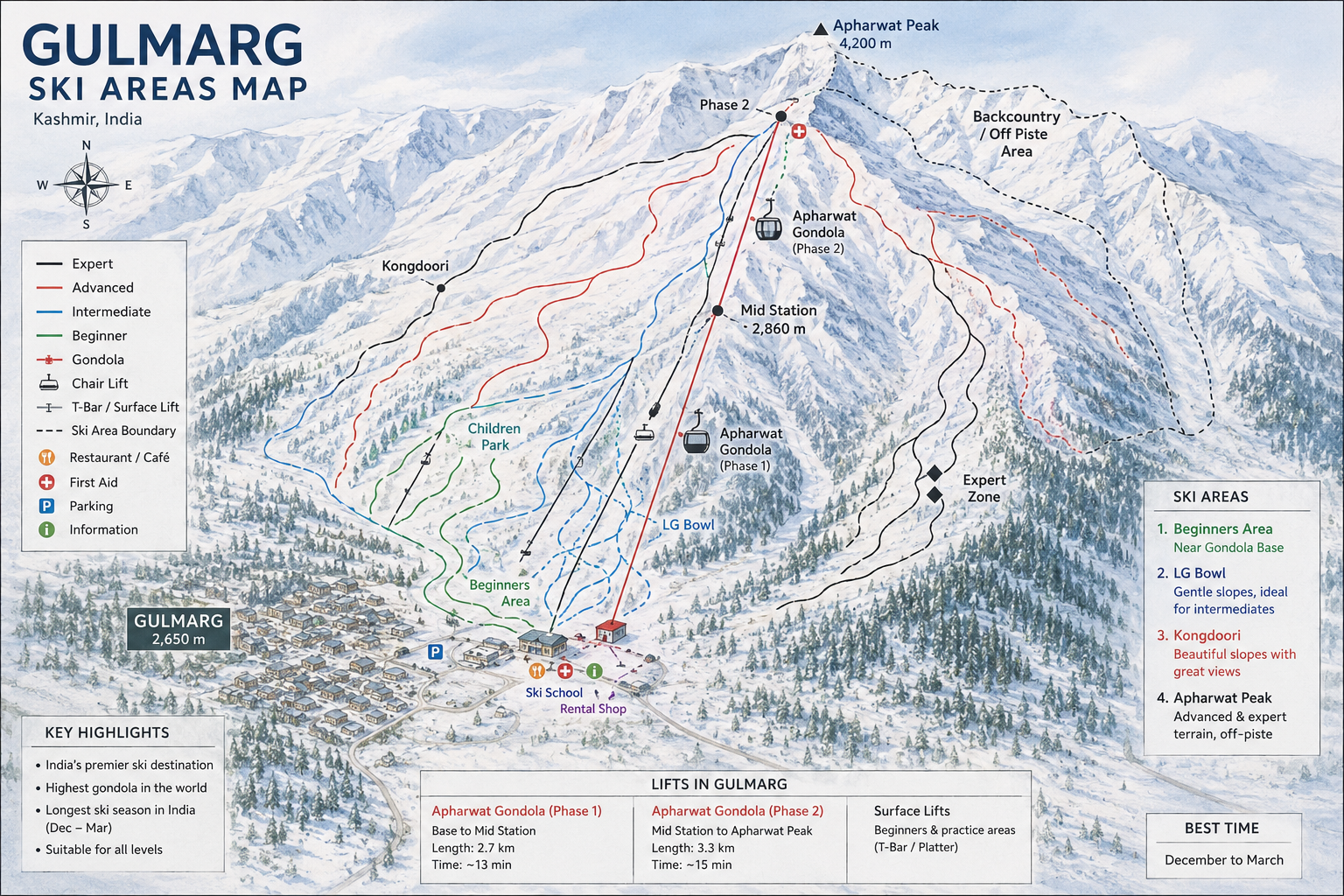
Gondola Phase 1
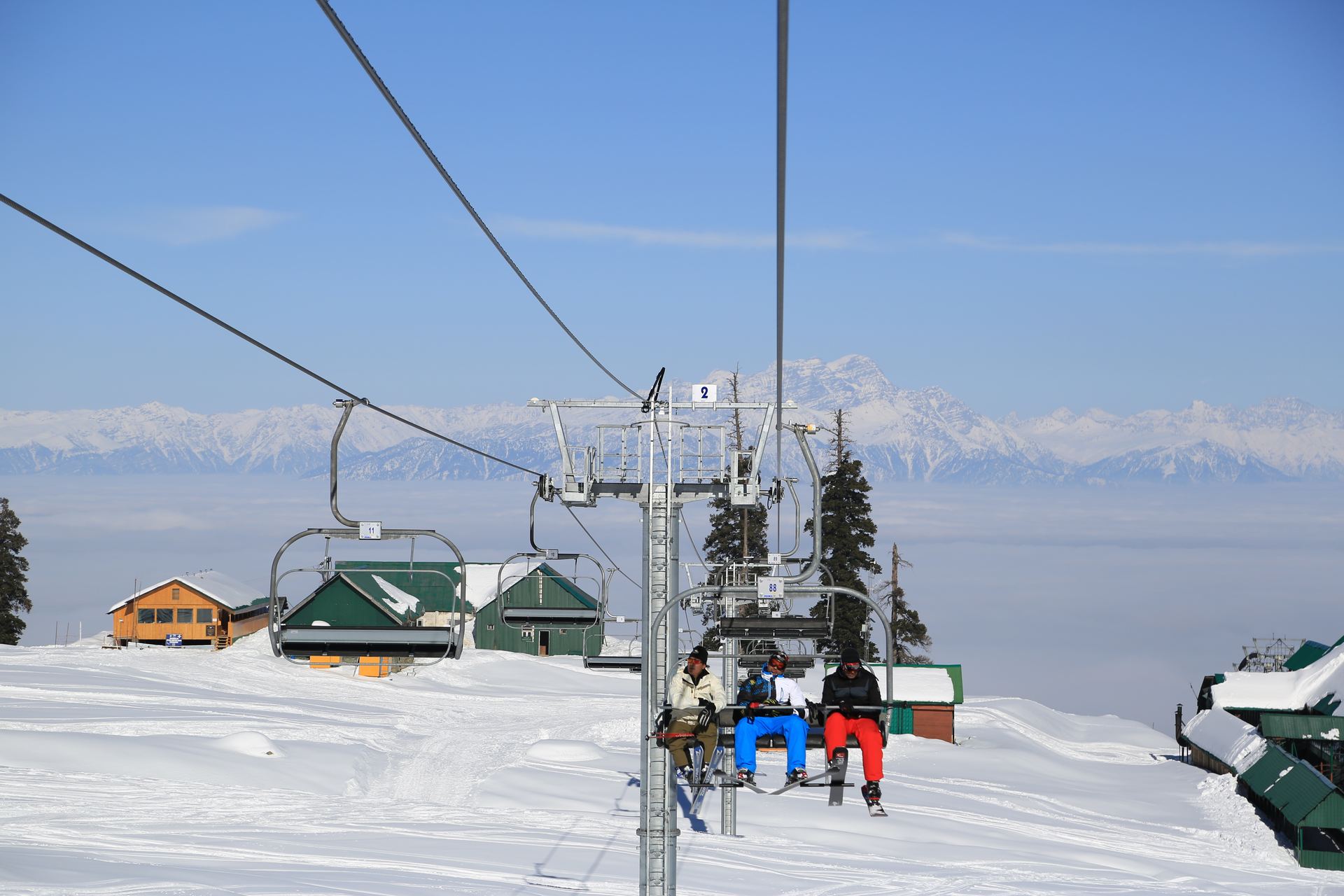
Base to mid station · 2.7 km · about 13 minutes. Green and blue alpine runs, Kongdoori views, and the start of longer descents.
Gondola Phase 2
Mid station to Apharwat Peak · 3.3 km · about 15 minutes. Open bowls, steep faces, and the high-alpine start for backcountry days.
Surface lifts
T-bar and platter tows on the beginners’ area beside the gondola base — where first snowploughs and drag-lift skills are learned.
Terrain
Where the mountain opens
2,600 m – 3,050 m
Beginners’ area & Phase 1 glades
Gentle nursery slopes near the gondola base, then pine-forest glades and LG Bowl for intermediates. This is warm-up terrain, storm-day tree skiing, and the place technique is built before the upper mountain.
Mid-mountain · ~3,100 m
Kongdoori & Mary’s Shoulder
Longer scenic runs with Pir Panjal views. Mary’s Shoulder is the classic powder calibration zone — open faces, chairlift access, and the first real taste of Himalayan vertical.
3,980 m – 4,390 m
Phase 2 / Apharwat Peak
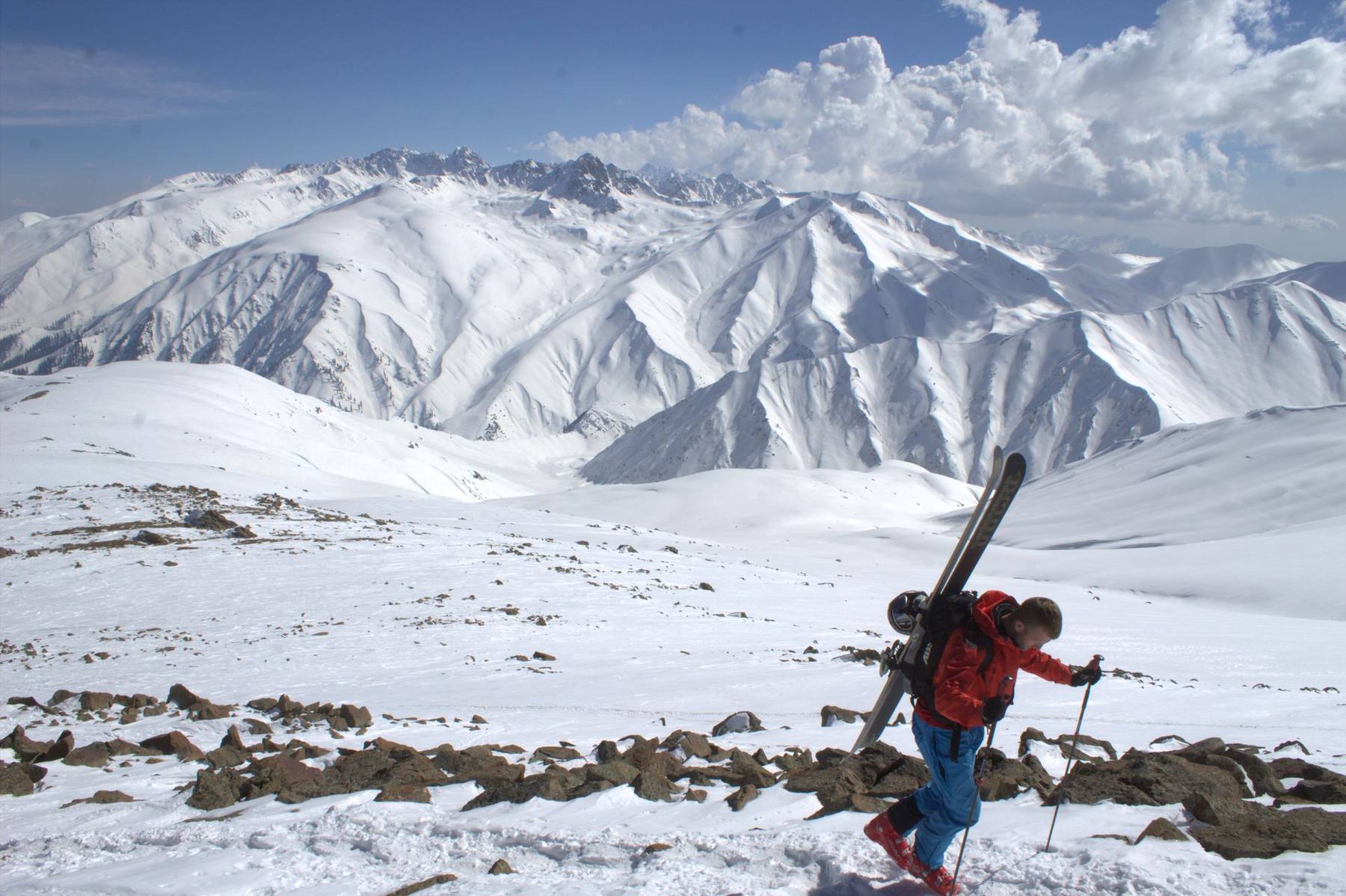
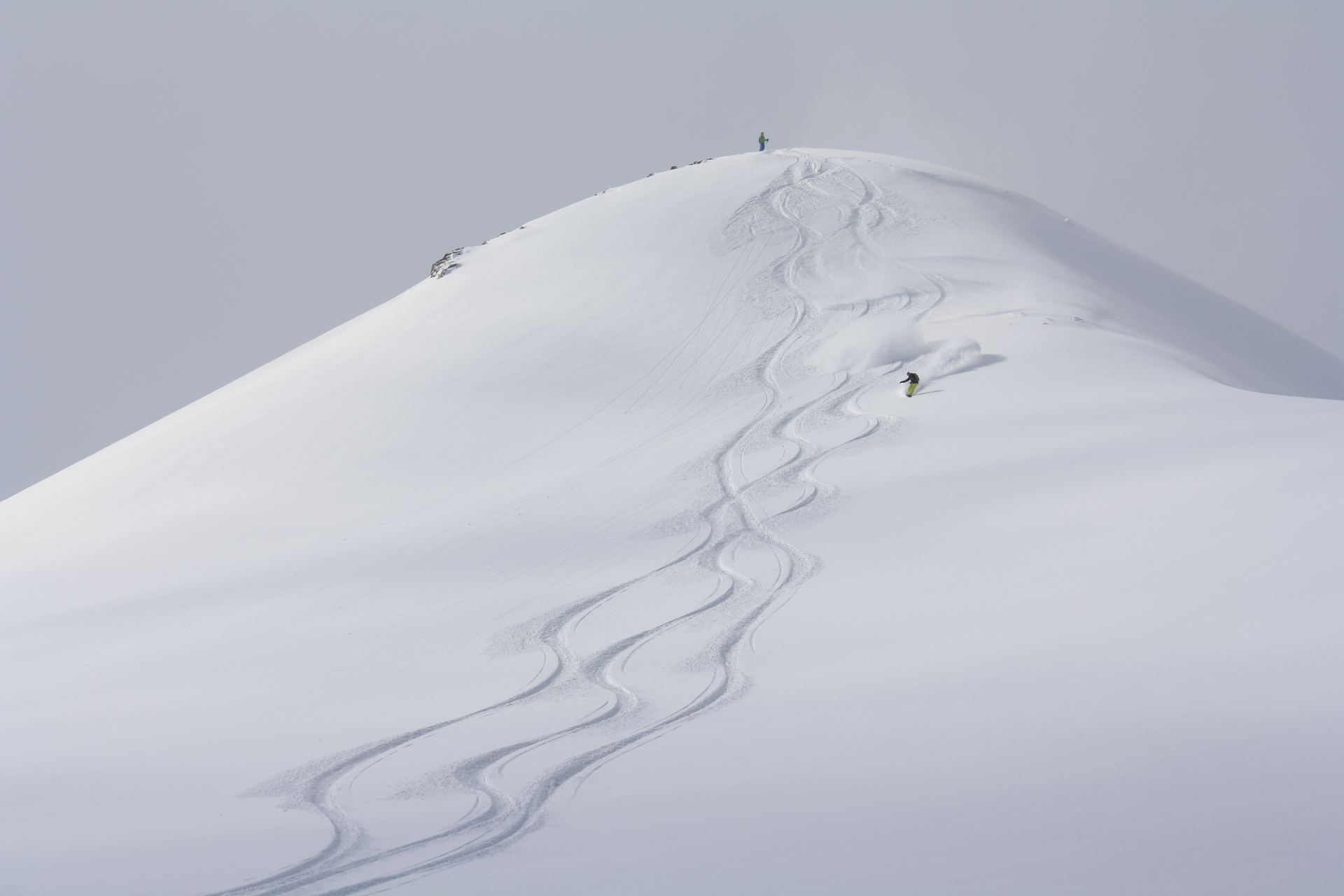
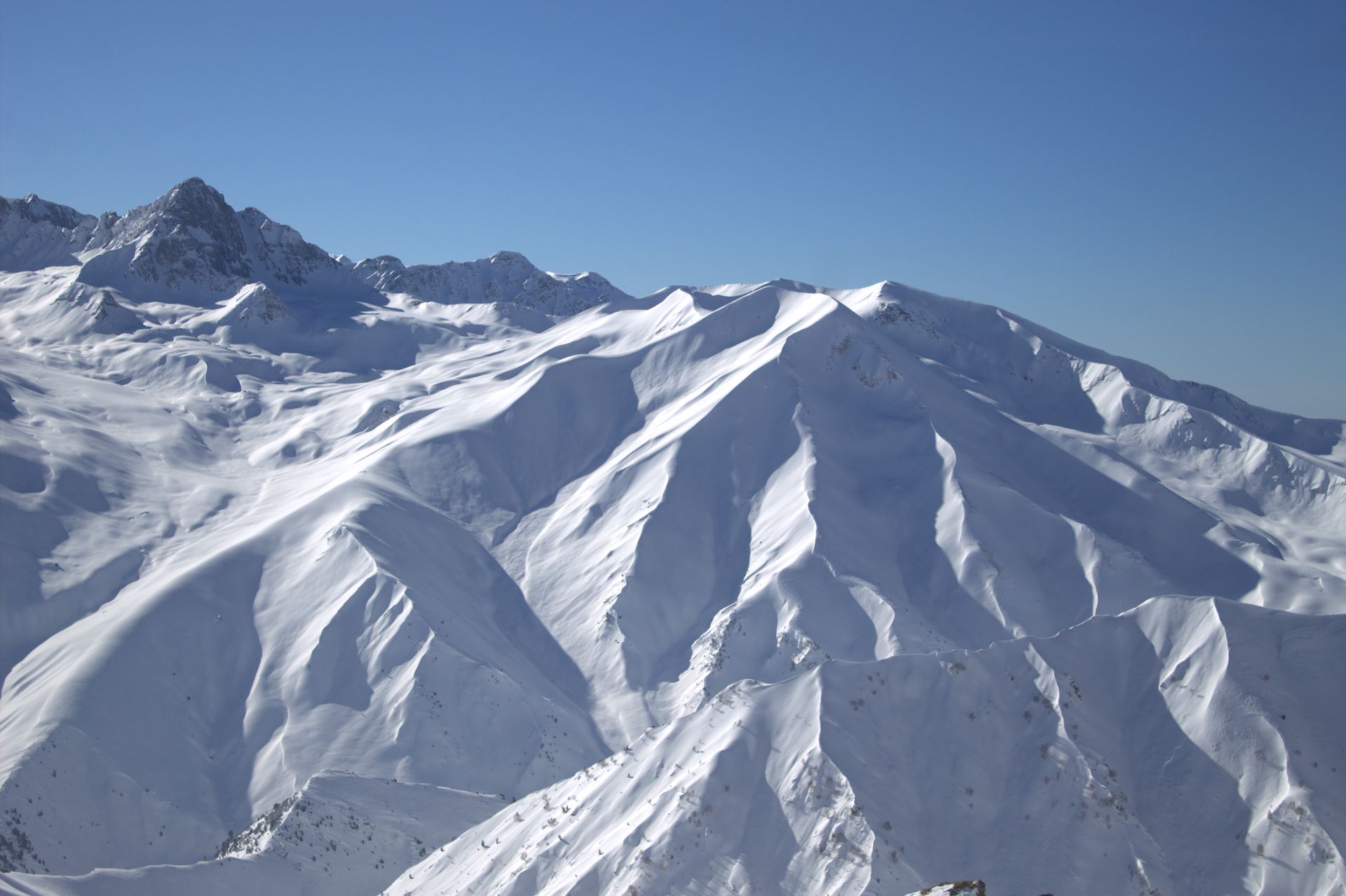
Wide alpine powder bowls, technical chutes, and ridge lines toward Shark Fin and Sunshine Peak. Advanced and expert terrain, including off-piste that is not a marked resort product.
Drung & Baba Reshi · 1,500–2,200 m vertical
Wilderness descents
Long lines from alpine ridges down through remote Kashmiri valleys. Unmanaged, avalanche-prone country that needs a local guide, a stable snowpack, and the fitness to finish far below the gondola.
Why here
Why this experience
Terrain that grows with you
Gulmarg’s nursery slopes give absolute beginners space to fall, laugh, and try again without pressure from crowded piste traffic. Once snowplough and basic turns settle in, Gondola Phase 1 opens longer green and blue alpine runs with Himalayan views. Intermediate and advanced skiers step up to Phase 2 bowls, Mary’s Shoulder, forest lines, and remote descents such as Drung Valley — all on the same mountain massif.
Local instructors, small ratios
Beginner clinics run at a maximum 1:3 instructor-to-guest ratio so you get real coaching, not a megaphone from the bottom of the hill. Backcountry days run guided at 1:4. Founders and lead instructors — including Gullu and Mozim — bring years of Gulmarg snow sense: boot fit, binding safety, avalanche awareness, and the quiet judgment that keeps a day enjoyable when weather turns.
Kashmir hospitality after the skis come off
Skiing hard at altitude is only half the story. We include hotel stays with breakfast and dinner so evenings are for chai, rest, and — on graduation nights — a proper Kashmiri Wazwan. Transfers are private heated 4×4s between Srinagar Airport (SXR) and Gulmarg, so you are not negotiating taxis with ski bags in the cold.
A season built for powder and learning
The Gulmarg ski season typically runs from late December through March, with peak powder often in January and February. Spring can still deliver excellent skiing on higher Phase 2 terrain. We match package dates to snow conditions and advise honestly if a short window or late-season thaw means a different plan is wiser.
Fit
Who it’s for
- ✓Absolute beginners who want patient, structured lessons on Gulmarg’s nursery slopes
- ✓First-time mountain travellers from India and abroad seeking a safe introduction to alpine skiing
- ✓Families and small groups who prefer low instructor ratios and clear day-by-day progression
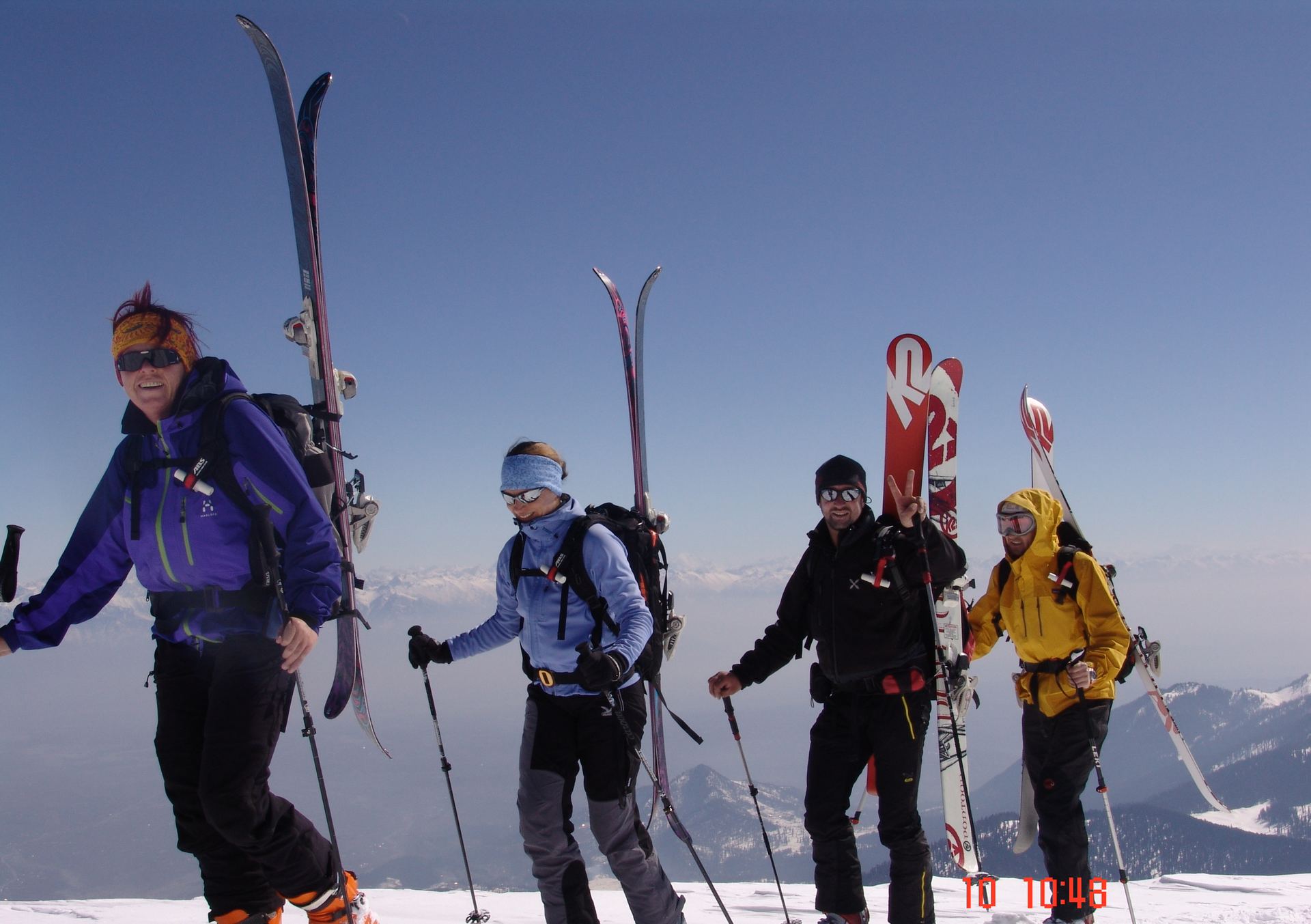
- ✓Intermediate to advanced skiers ready for guided Himalayan powder, bowls, and forest lines on Mt. Apharwat
- ✓Anyone curious about both skiing and snowboarding — our combined academy lets you choose your craft
Season: Primary ski season in Gulmarg runs roughly late December to March. Nursery and Phase 1 terrain are most reliable mid-winter; higher Phase 2 and summit objectives depend on snowpack and avalanche conditions. We confirm dates and terrain plans closer to travel based on the season’s pattern.
| Month | Snow & weather | Best for | Level |
|---|---|---|---|
| December | Early-season base, cold mornings | Sightseeing, light powder, first turns | Beginners / warm-up |
| January | Peak winter, often around −12°C, dry powder storms | Deep powder bowl descents | Advanced / backcountry |
| February | Golden window: max depth, more stable pack, sunnier days | Whole-mountain access, backcountry skinning | All levels |
| March | Spring skiing, warmer days, softer afternoon snow | Long touring days, quieter slopes | Intermediate / touring |
Packages
Choose your package
4-Day Skiing Taste Test
A short, intensive intro to alpine skiing on Gulmarg’s nursery slopes — gear fitting, snowplough, and first turns with Gullu & Mozim.
View itinerary →7-Day Beginner Skiing Academy
The full pathway from boot fitting to parallel turns and Phase 1 alpine runs, ending with a graduation descent and Wazwan dinner.
View itinerary →7-Day Ultimate Himalayan Backcountry
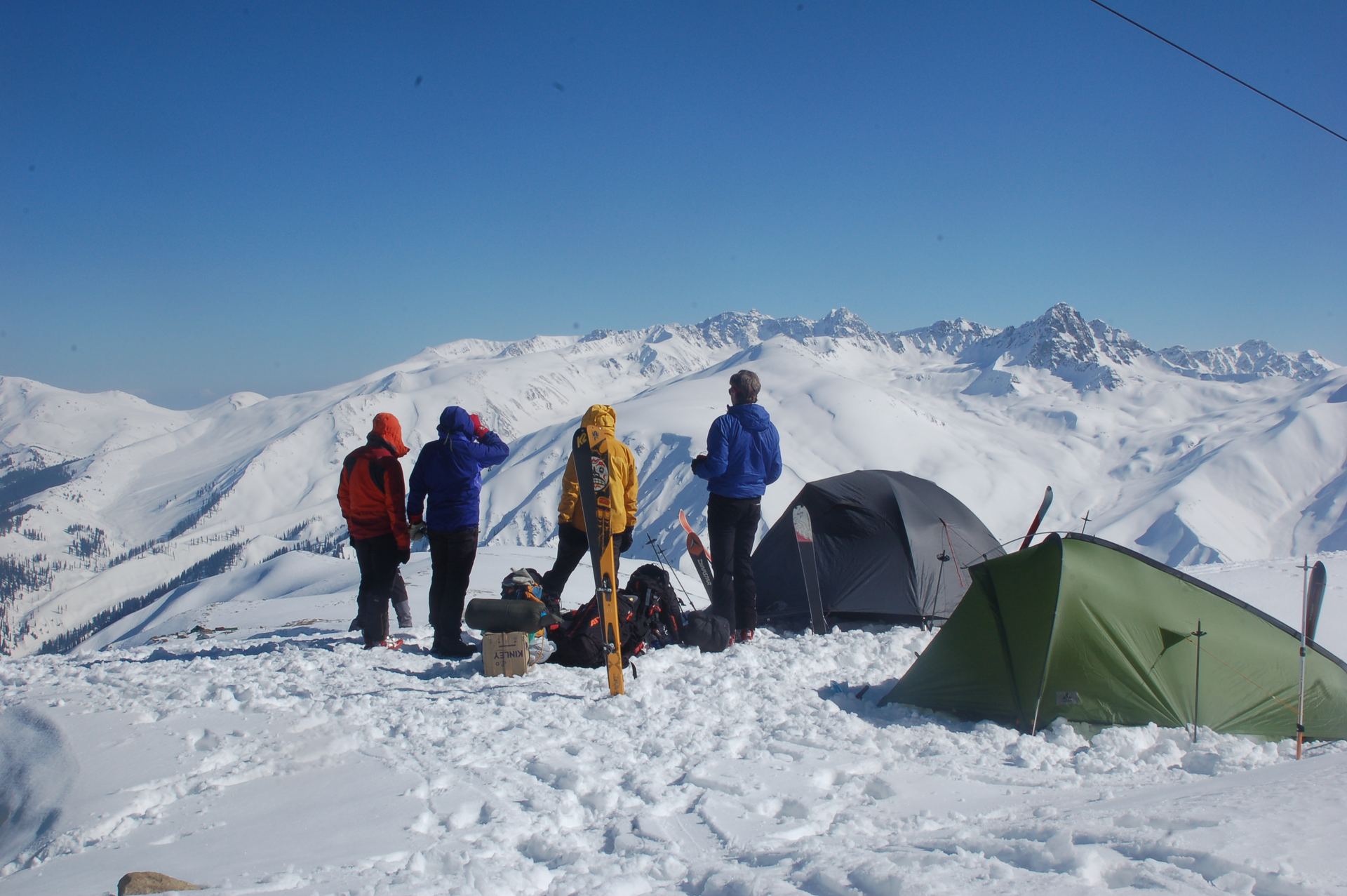
Guided powder on Mt. Apharwat up to 4,300 m — Mary’s Shoulder, Phase 2 bowls, summit lines, forests, and the Drung Valley descent.
View itinerary →7-Day Beginner Ski & Snowboard Academy
Choose skiing or snowboarding — same patient curriculum, small groups, and Phase 1 progression for first-timers.
View itinerary →Progression
Beginner to mountain
Phase 1
Foundation & on-piste
Beginner to intermediate
- •Parallel turns, edge control, and hockey stops on blue and red slopes
- •Move from groomed snow to variable conditions and ice
- •Build legs and lungs for 2,600 m+ days
Phase 2
Off-piste & powder
Intermediate to advanced
- •Wide powder skis (105 mm+) and continuous rhythm in deep snow
- •Tight, quick-pivoting turns through Phase 1 pine glades on storm days
- •Jump turns and side-slipping on 30°+ chutes
Phase 3
Backcountry & safety
Advanced to pro
- •Beacon, probe, and shovel rescue under real timing pressure
- •Efficient skinning, kick-turns, and skin-track choice
- •Snowpack reading with a local guide before any unmanaged line
Safety
How we keep you safe
- •All beginner programmes include helmets with rental packages and daily coaching on falling, stopping, and lift etiquette before you progress to steeper ground.
- •Backcountry and freeride-style days include avalanche risk evaluation, transceiver practice, and terrain choices matched to group ability and the day’s snowpack — not ego.
- •Altitude at Gulmarg base is about 2,600 m; Phase 1 reaches ~3,100 m and Apharwat objectives can approach 4,300 m. We pace ascent, hydration, and rest so guests acclimatise sensibly.
- •Travel and medical (and for backcountry, emergency rescue) insurance is your responsibility and strongly recommended before you fly into Srinagar.
- •Weather and gondola operations can close upper mountain access with little notice. When that happens we shift to sheltered forest runs, nursery work, or rest — safety always leads the call.
On the mountain
A feel for the terrain
FAQs
Common questions
Next step
Ready to plan your dates?
Tell us your level, preferred week, and group size — we’ll match you to the right package and guide.
Enquire / Book